




24.10.2025

OCPP for company fleets: how to benefit from standardized charging

For companies with an electric fleet, an OCPP charging station is the key to transparent, scalable charging. The open OCPP standard connects OCPP Charger and OCPP Wallbox with your backend, regardless of manufacturer - for central control, remote service and reliable OCPP billing.
OCPP for company fleets: how to benefit from standardized charging

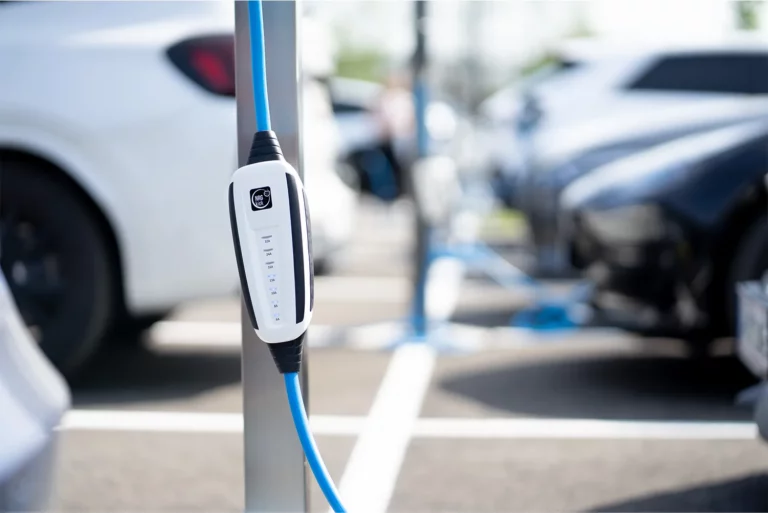
Fleet managers and employees look at a charging solution together.

For companies with an electric fleet, an OCPP charging station is the key to transparent, scalable charging. The open OCPP standard connects OCPP Charger and OCPP Wallbox with your backend, regardless of manufacturer - for central control, remote service and reliable OCPP billing. This allows you to keep an eye on costs, access rights and utilization - from the company location to home charging. In this article, you will find out what OCPP is all about and how to choose the right solution for your company fleet.

Briefly explained: What is OCPP?

OCPP (Open Charge Point Protocol) is an industry standard for communication between the charging station (charge point) and the backend (central system). It ensures that different charging stations and backend systems can talk to each other - independently of the manufacturer and interoperably.

Why is OCPP important?

  • Interoperability: Charging works across all brands - ideal for mixed fleets.
  • Flexibility & scaling: New charging points or providers can be integrated more easily.
  • Remote access & diagnostics: Operators receive status and diagnostic data remotely.
  • Security: OCPP relies on authentication and encryption for secure communication.
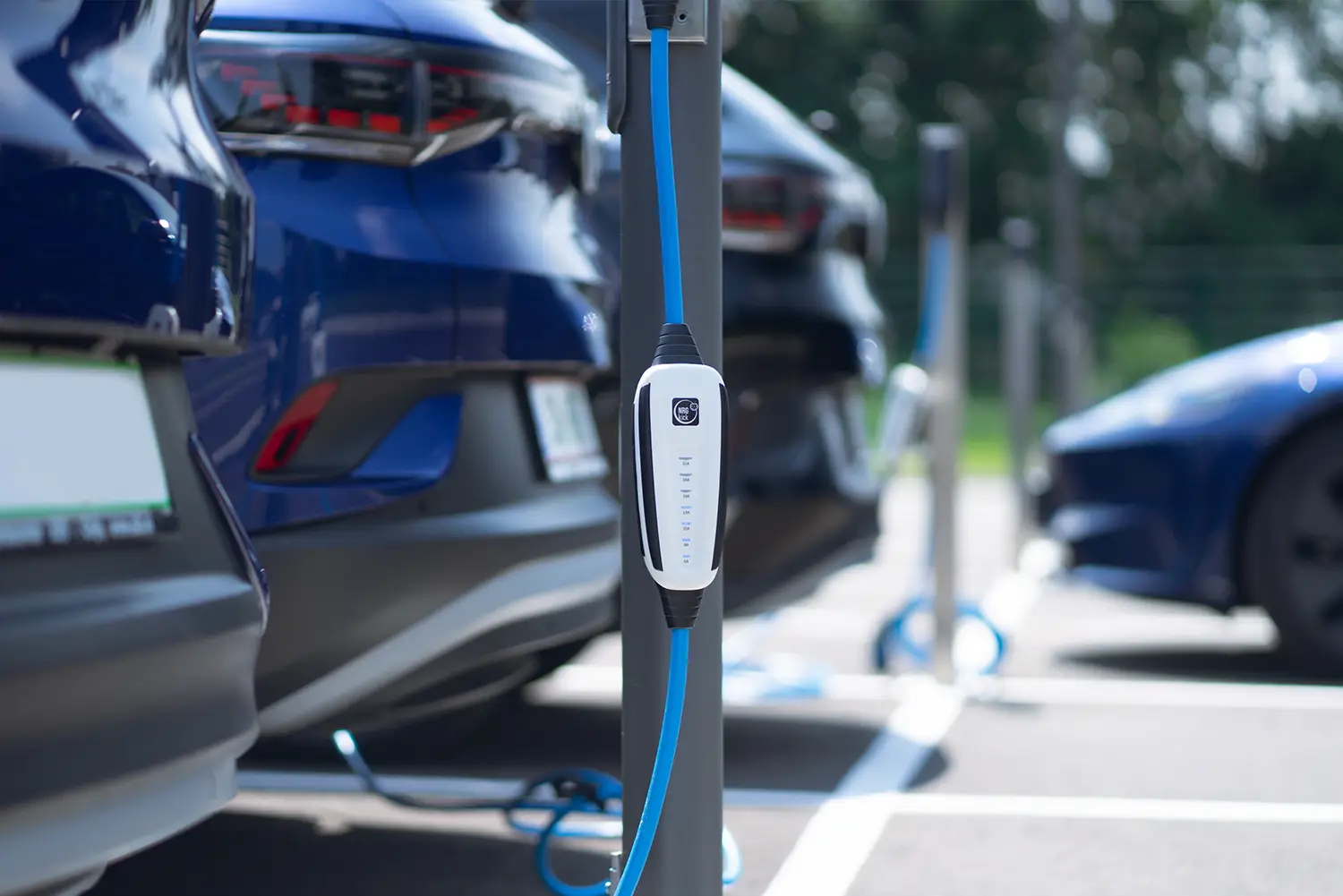
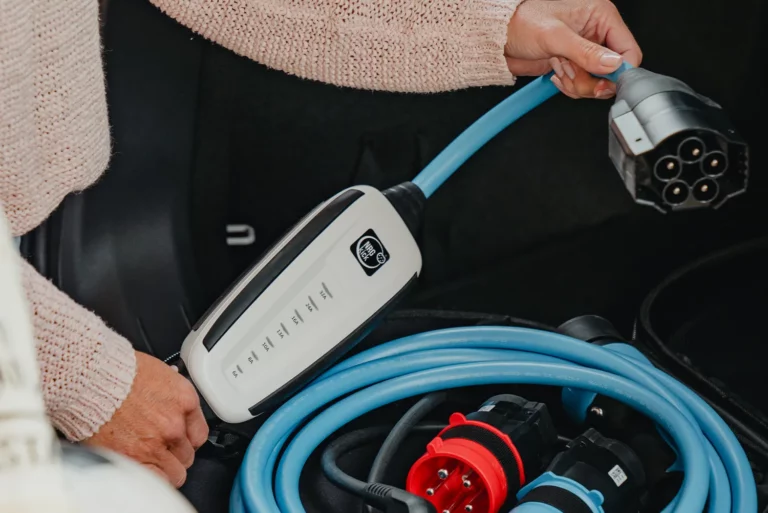
The flexible wallbox NRGkick in combination with OCPP.

How does OCPP work technically?

OCPP uses a client-server model: The OCPP charging station (client) communicates with the backend (server) in real time. Status, charging processes, control commands and diagnostic data are exchanged via standardized messages. This enables fast reactions and reliable processing of your charging processes.

NRGkick OCPP: seamless integration into your fleet solution

NRGkick is OCPP 1.6-compliant and offers an optional OCPP upgrade. This allows CPO backends to take over charging data - for OCPP billing, for example. Several providers are already preconfigured in the NRGkick app; others can be added via data input or integration. Your NRGkick devices are managed centrally and can be controlled together with other charging points.

Advantages with NRGkick OCPP

  • Smart OCPP billing: Automatic transfer of relevant loading data to the backend
  • Central fleet management: Control OCPP Charger & OCPP Wallbox together
  • Manufacturer-independent: Ideal for existing fleets and future expansions
  • Quick setup: Preconfigured providers in the app - others possible via custom setup

Typical use cases in the company fleet

An OCPP charging station is the key to efficient, scalable charging for companies with an e-fleet at their own site. The open standard connects OCPP Charger and OCPP Wallbox with your backend, regardless of manufacturer - for central control, load management, roles & rights and reliable OCPP billing directly on the company premises. With NRGkick OCPP, you can seamlessly integrate all charging points, automate data collection and reporting and keep an eye on costs, utilization and access in one system.

FAQ: Frequently asked questions about OCPP

Do I necessarily need OCPP for billing?

OCPP is the standard method for scalable, audit-proof OCPP billing via the backend - especially in a fleet environment with many charging points and users at the company location.


Does NRGkick also work in mixed infrastructures?

Yes, NRGkick OCPP is designed to be integrated into existing management systems and to run together with other charging points.

OCPP or Charging4Fleets by NRGkick?

OCPP is well suited for the company location - especially if charging solutions from several manufacturers are already in use. OCPP billing runs smoothly via the backend. However, OCPP is not suitable for home charging: OCPP-capable infrastructure, authentication and legally compliant cost separation are usually lacking in the private environment. Charging4Fleets from NRGkick closes this gap: All charging processes are recorded regardless of location (even at home) and correctly assigned - with automatic documentation, kWh-accurate reimbursement and export for controlling. This means you benefit from complete billing via a central platform with Charging4Fleets.

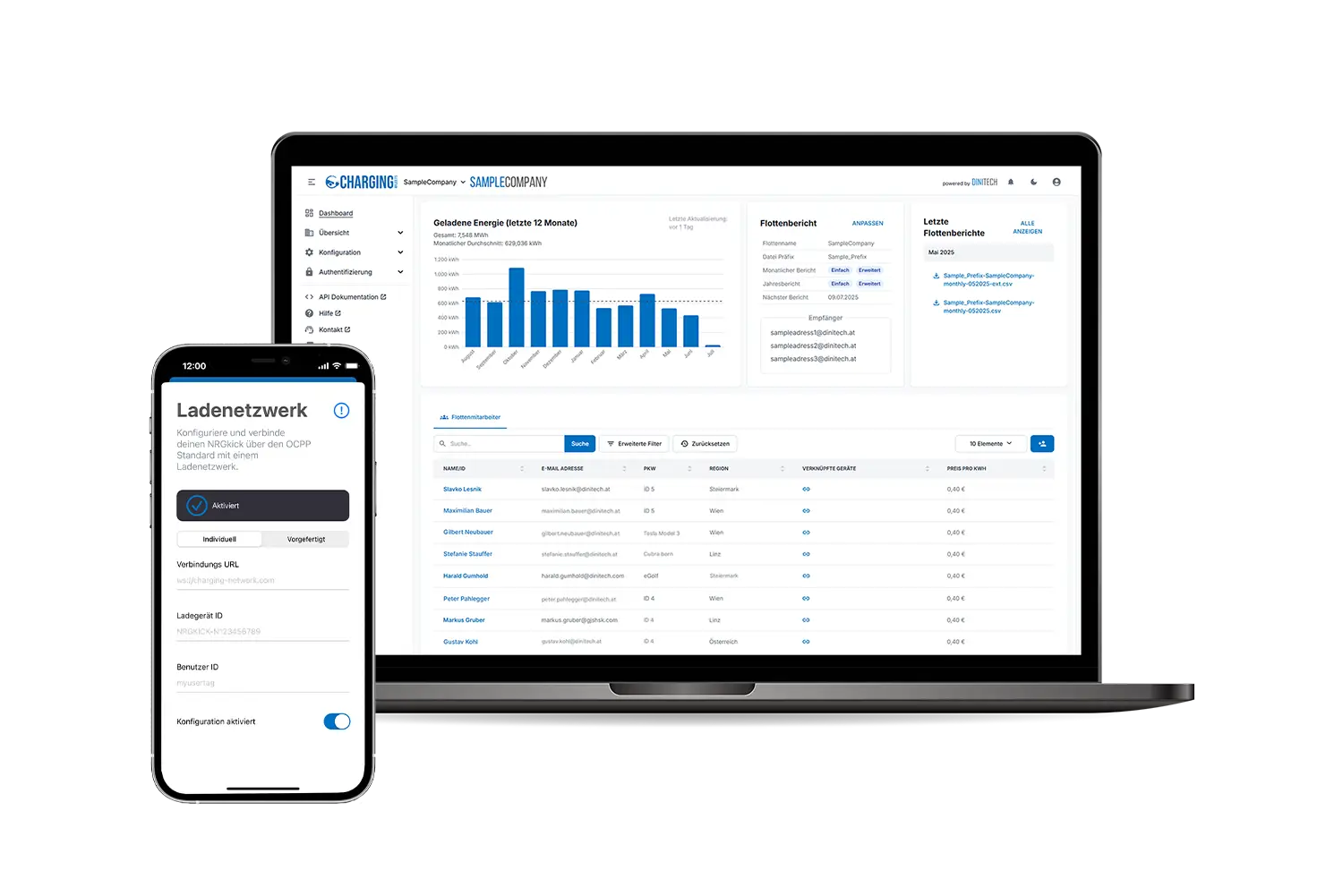
Charging4Fleets or OCPP for the electric company fleet.

Conclusion: OCPP interoperability on site - Charging4Fleets for employees at home

With OCPP, you create the basis for scalable, manufacturer-independent charging management at the company location: central control, roles & rights, reporting and OCPP billing - all in one system. However, OCPP reaches its limits for off-site charging, especially at home. NRGkick OCPP covers the location professionally, while Charging4Fleets records all charges - including home charging - to the exact kWh, assigns them neatly and bills them. This allows you to combine the best of both worlds for complete, audit-proof cost control across the entire fleet.

Share post:

Discover the flexible wallbox from NRGkick.

Maximum security, full flexibility and intelligent functions - perfect for at home and on the move.

You might also be interested in

Discover more articles

Questions, or just curious?

Your direct line to NRGkick.

Got a question?

FAQ & Support

Find answers to frequently asked questions on our FAQ page or contact our support team directly for individual assistance. Whether it's product details or technical problems - we're happy to help you.

Always up to date!

Newsletter

* Information required

Please select all channels on which you would like to hear from DiniTech GmbH:

Consent for marketing purposes

You can unsubscribe at any time using the link in the footer of our emails.
We use Mailchimp as our newsletter platform. By registering, you agree that your data will be transmitted to Mailchimp for processing.
Learn more about the privacy policy of Mailchimp.